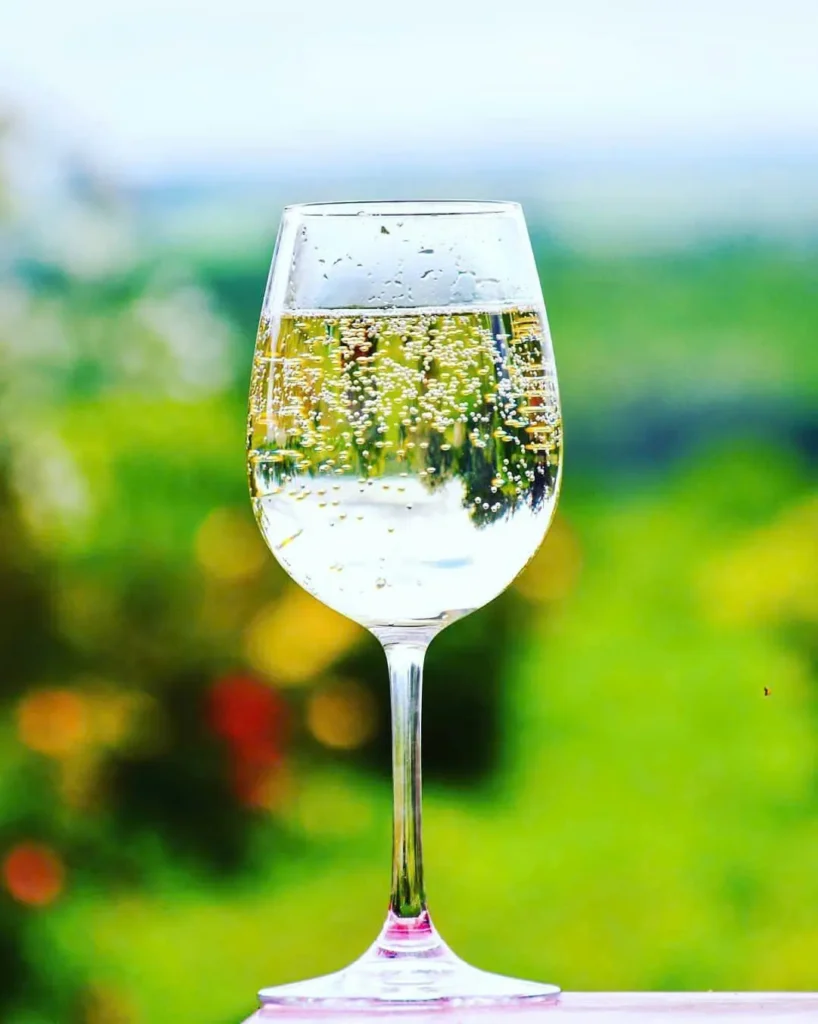



Growing grapes and making wine has always been an important tradition in Baranja. For many families, including mine, wine is not just a drink — it is part of our culture, memories, and way of life.
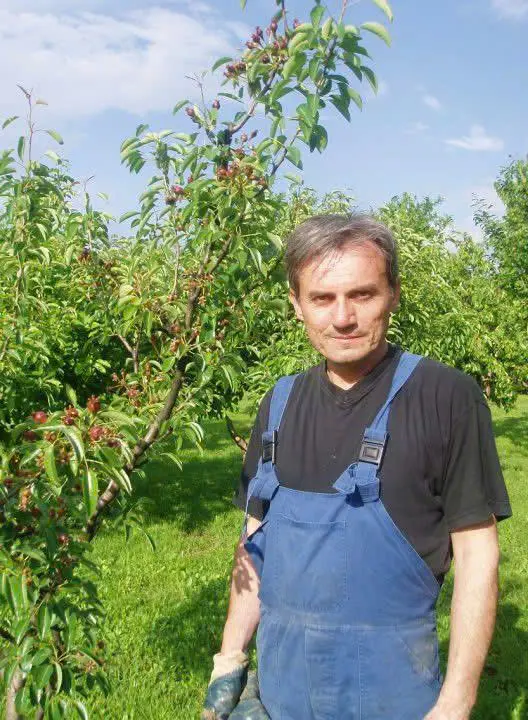
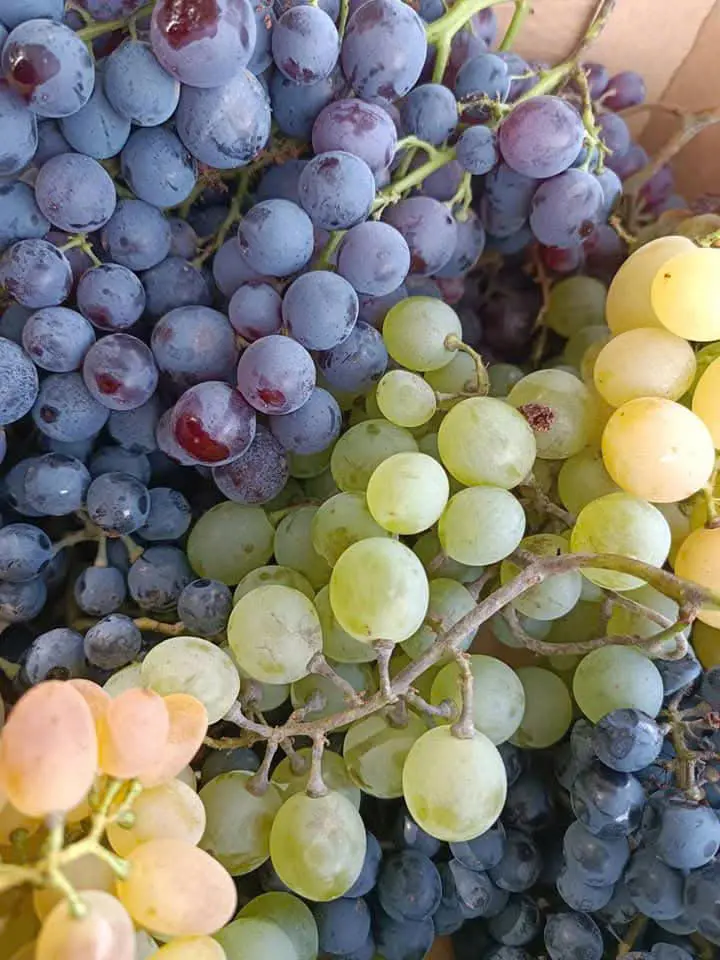
My dad has a beautiful small vineyard that he takes great pride in. Every year he spends countless hours taking care of the vines, watching the grapes grow through the hot summers and waiting patiently for harvest season. We mostly make Graševina, the most popular white wine in the region, along with a smaller amount of Cabernet Sauvignon.
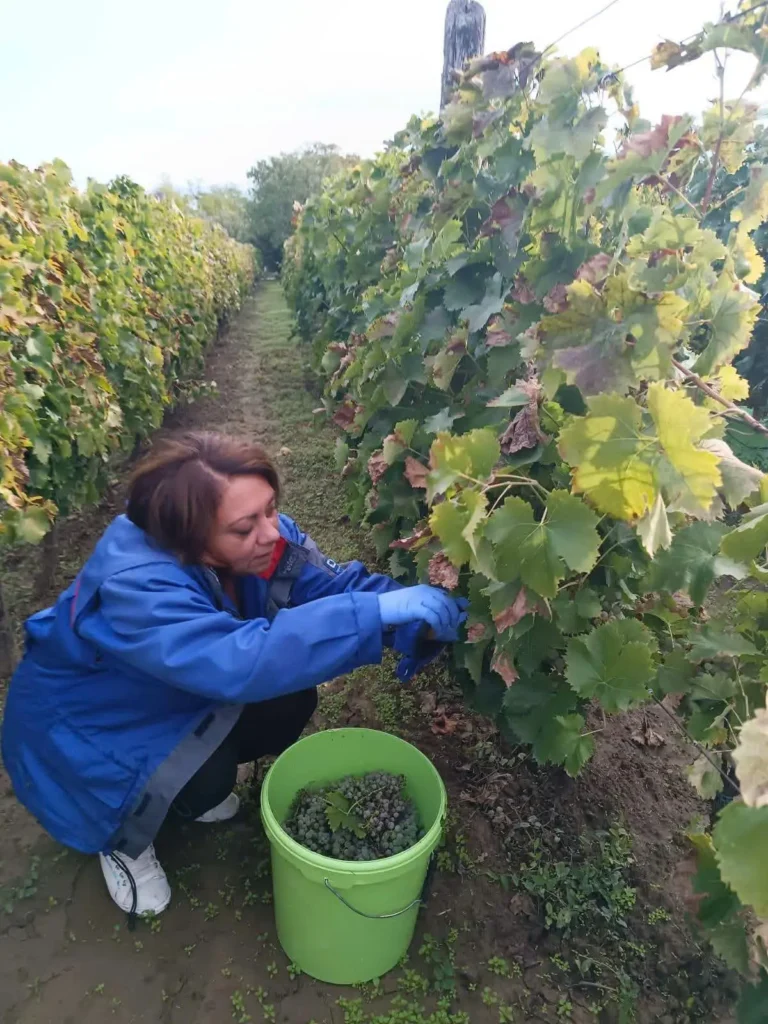
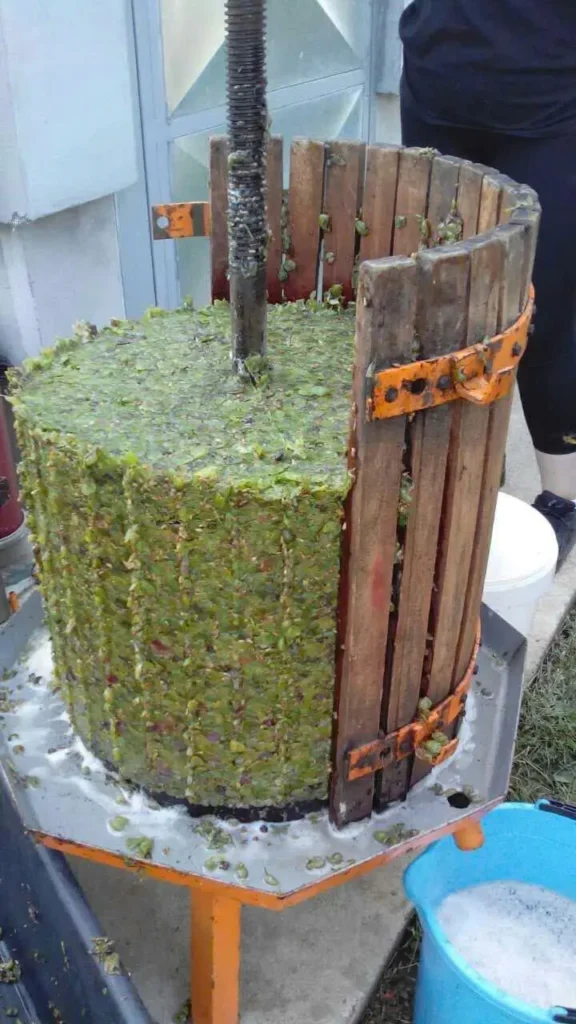
The grape harvest is one of the most special times of the year for us. Wine-making day feels almost like a family holiday. Friends and relatives gather early in the morning, baskets in hand, and together we pick grapes row by row. There is always laughter, music, conversation, and the smell of homemade food cooking nearby. After the harvest, the grapes are pressed, turning into sweet grape juice that will slowly become wine over the coming months.
Last year, I even made a video to capture those moments — family and friends working together, picking grapes, laughing, cooking, and continuing a tradition that has been part of life in Baranja for generations.
But the day is about much more than wine itself. It marks the end of summer and the beginning of autumn. The air becomes cooler, the vineyards turn golden, and people come together one more time before the colder months arrive. Long tables are filled with traditional food, homemade cakes, grilled meat, and glasses of last year’s wine. Children run through the vineyards while older generations share stories and traditions that have been passed down for decades.
One thing I have always admired about this tradition is that nothing goes to waste. Even the leftover grape skins and seeds are used to make rakija, a strong homemade grappa that is common across the region. In Baranja, wine making is not only about producing wine — it is about family, hard work, tradition, and appreciating the simple beauty of life together.